

Updated 3 weeks ago
Block Bottom Bags vs. Box Bottom Bags: What’s the Difference?
Fast Sincere

What Are Block Bottom Bags?
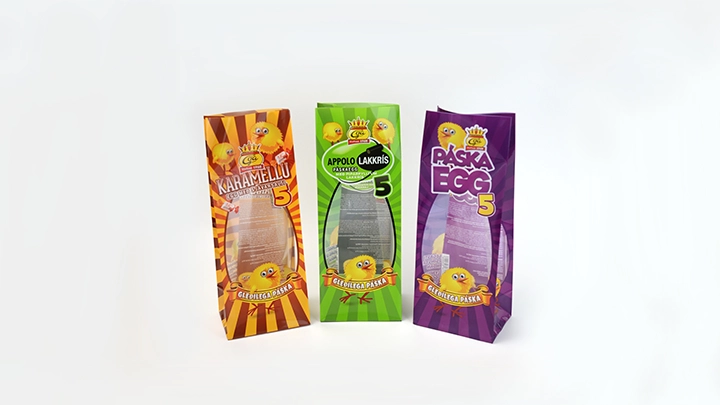
Block bottom bags are flexible packaging bags featuring a flat, rectangular bottom that allows them to stand upright when properly filled.
The bottom structure creates a stable base, while the front and back panels provide space for product information, branding, and customized printing. Depending on the design, side gussets help increase the internal capacity and maintain the bag’s shape.
Key Features of Block Bottom Bags
- Stable Bottom Structure: A flat base supports upright presentation on retail shelves.
- Efficient Use of Space: The rectangular shape accommodates different filling volumes and product formats.
- Customizable Materials: Available material structures can be selected according to product protection and packaging requirements.
- Flexible Printing Options: Clear, printed, matte, and glossy finishes support different brand designs.
- Optional Features: Windows, tin ties, and other finishing options can be incorporated where suitable.
Block bottom bags are commonly considered for biscuits, candies, nuts, baked goods, and other products that benefit from stable, attractive packaging.
What Are Box Bottom Bags?
Box bottom bags are packaging bags designed with a flat, box-shaped base and an upright structure.
The term typically emphasizes the bag’s rectangular profile and structured appearance. In many packaging markets, box bottom bags are also referred to as flat bottom pouches, square bottom bags, or block bottom bags.
These bags can incorporate side gussets, heat-sealed edges, and customized material structures depending on the intended application.
Key Features of Box Bottom Bags
- Box-Shaped Appearance: The flat base and defined side panels create a structured retail presentation.
- Strong Shelf Presence: Broad front and back surfaces provide room for branding and product information.
- Flexible Capacity: Dimensions and gusset configurations can be developed around the required filling volume.
- Packaging Customization: Materials, printing, surface finishes, and closures can be adapted to product needs.
- Multiple Applications: Suitable designs can be developed for coffee, tea, snacks, nuts, and other dry food products.
Box bottom packaging is particularly useful when a brand wants a defined rectangular appearance combined with flexible packaging materials.
Block Bottom Bags vs. Box Bottom Bags: Key Differences
Although these names are often used interchangeably, individual manufacturers may use them to identify different product constructions or production methods.
For this reason, buyers should compare the actual specifications rather than relying only on the product name.
| Comparison Factor | Block Bottom Bags | Box Bottom Bags |
|---|---|---|
| Basic Structure | Flat, rectangular bottom | Flat, box-shaped bottom |
| Shelf Stability | Designed for upright display | Designed for upright display |
| Side Gussets | Depending on bag construction | Depending on bag construction |
| Appearance | Structured, flat-bottom format | Structured, box-like format |
| Materials | Paper, plastic films, or compatible composite structures | Paper, plastic films, or compatible composite structures |
| Custom Printing | Available | Available |
| Typical Applications | Bakery goods, snacks, candy, nuts | Coffee, tea, snacks, nuts |
| Main Consideration | Bottom construction and filling compatibility | Overall shape, panel design, and filling compatibility |
The most important difference is often the manufacturer’s specific bag design rather than the terminology itself.
Two bags described using different names may have nearly identical shapes, while two products carrying the same name may use different bottom seals, gusset constructions, or material combinations.
Before placing an order, confirm the bag dimensions, bottom structure, sealing method, and intended filling process.
How to Choose the Right Bottom Structure for Food Packaging
1. Consider Your Product Characteristics
Different foods require different packaging properties.
Lightweight bakery products may prioritize transparency and product presentation, while coffee, nuts, and moisture-sensitive snacks may require additional barrier performance.
Product weight, bulk density, oil content, and required shelf life should all be considered during material and bag-structure selection.
2. Evaluate Shelf Stability and Capacity
A flat-bottom design helps packaging stand upright, but stability also depends on the relationship between bag width, depth, height, and filling weight.
An excessively narrow base may reduce stability, while an unsuitable gusset size can affect the appearance of the filled bag.
Packaging dimensions should therefore be evaluated using actual product samples whenever possible.
3. Select Suitable Packaging Materials
The material structure influences flexibility, sealability, transparency, and protection against moisture and oxygen.
Depending on the application, manufacturers may evaluate OPP, CPP, paper-based combinations, or other suitable food-contact packaging structures.
The final material selection should account for food-contact requirements, product compatibility, storage conditions, and the intended shelf life.
4. Choose Printing and Finishing Options
Packaging appearance plays an important role in product recognition.
Clear packaging can highlight the contents, while printed packaging provides more opportunities for branding and product information.
Matte and glossy finishes create different visual effects. Window designs may also be incorporated when the bag construction and product protection requirements allow.
5. Check Filling and Sealing Compatibility
The bag must work with the intended packing process.
Key considerations include the opening dimensions, filling method, sealing temperature, seal width, and bottom-seal strength.
For automated production, consistent bag dimensions and reliable feeding performance are especially important.
Testing the packaging with the actual product and equipment helps identify potential problems before mass production.
Applications of Block Bottom and Box Bottom Bags
Both packaging formats can support a wide range of food applications.
Bakery Packaging
Suitable bag structures can accommodate bread, biscuits, cookies, and other baked products. Transparent films and printed designs help improve product visibility and retail presentation.
Coffee and Tea Packaging
Flat-bottom packaging provides a structured appearance for coffee beans and tea products. Suitable barrier materials and closures can be selected according to freshness requirements.
Nut and Snack Packaging
For nuts, dried snacks, and confectionery, the flat base supports upright presentation, while material selection helps address moisture and oxygen exposure.
Candy and Chocolate Packaging
Clear films, custom printing, and decorative finishing options allow brands to develop packaging that complements their products and visual identity.
Custom Block Bottom and Box Bottom Bags from Fast Sincere
Fast Sincere provides custom flexible packaging solutions for food brands, wholesalers, and distributors.
With over 25 years of industry experience, our manufacturing capabilities cover packaging development, material selection, custom printing, and production for different flexible packaging applications.
Our OEM and ODM services support packaging projects based on customer specifications, including:
- Custom bag dimensions and bottom structures
- Material selection and packaging development
- Clear windows and decorative features
- Custom printing and surface finishing
- Private label packaging solutions
- Sample evaluation and mass production
Whether you need packaging for bakery products, coffee, nuts, confectionery, or other dry foods, our team can help evaluate suitable bag structures and customization options.
Conclusion
Block bottom bags and box bottom bags both provide stable, attractive packaging for a variety of food products.
Because the two terms are frequently used interchangeably, selecting between them should begin with the actual bag construction, dimensions, materials, and application requirements rather than the name alone.
A well-designed packaging bag should combine reliable sealing, appropriate product protection, efficient filling, and consistent retail presentation.
Looking for custom block bottom or box bottom bags? Contact us with your product details, target dimensions, packaging quantity, and printing requirements to discuss a suitable custom packaging solution.